Five areas. One shared purpose
Follow the work through five chapters. Each brings together the historical account, participants’ perspectives, and supporting sources.
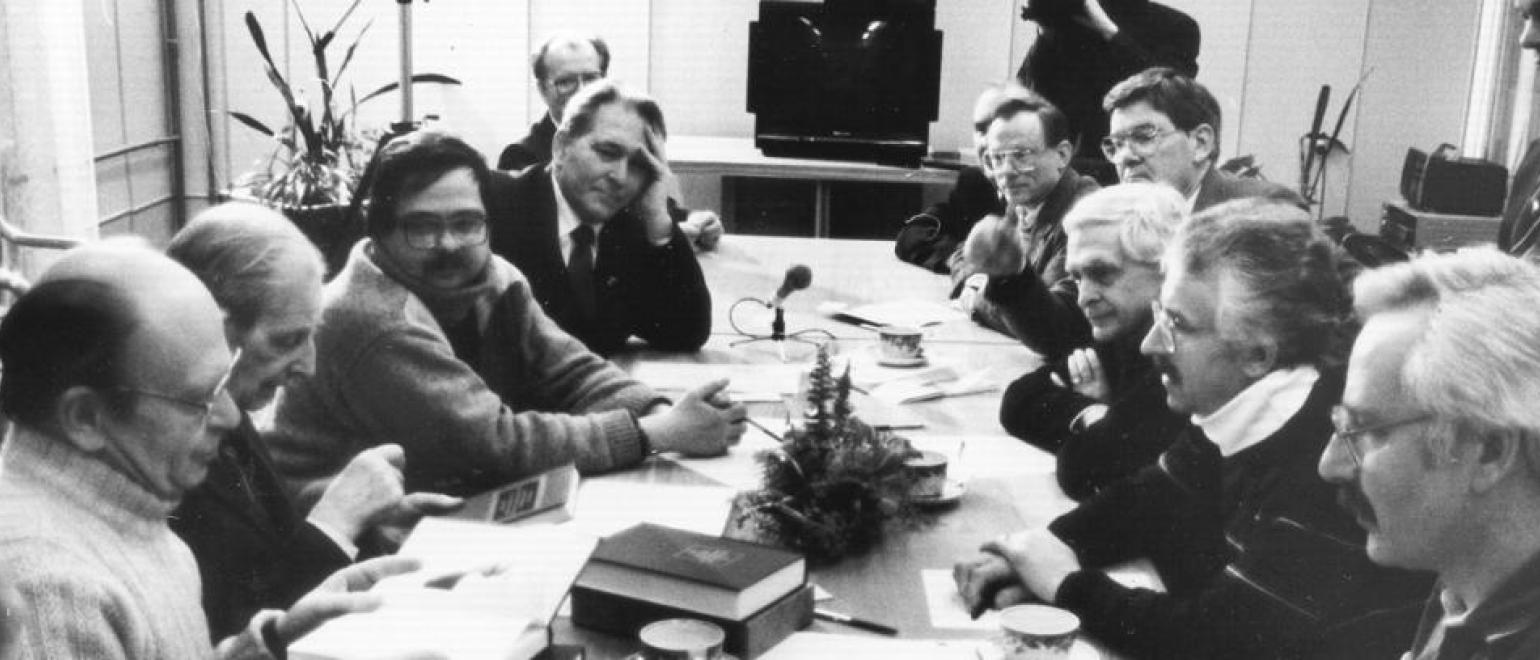
Russian and American colleagues in discussion at Sarov. ↗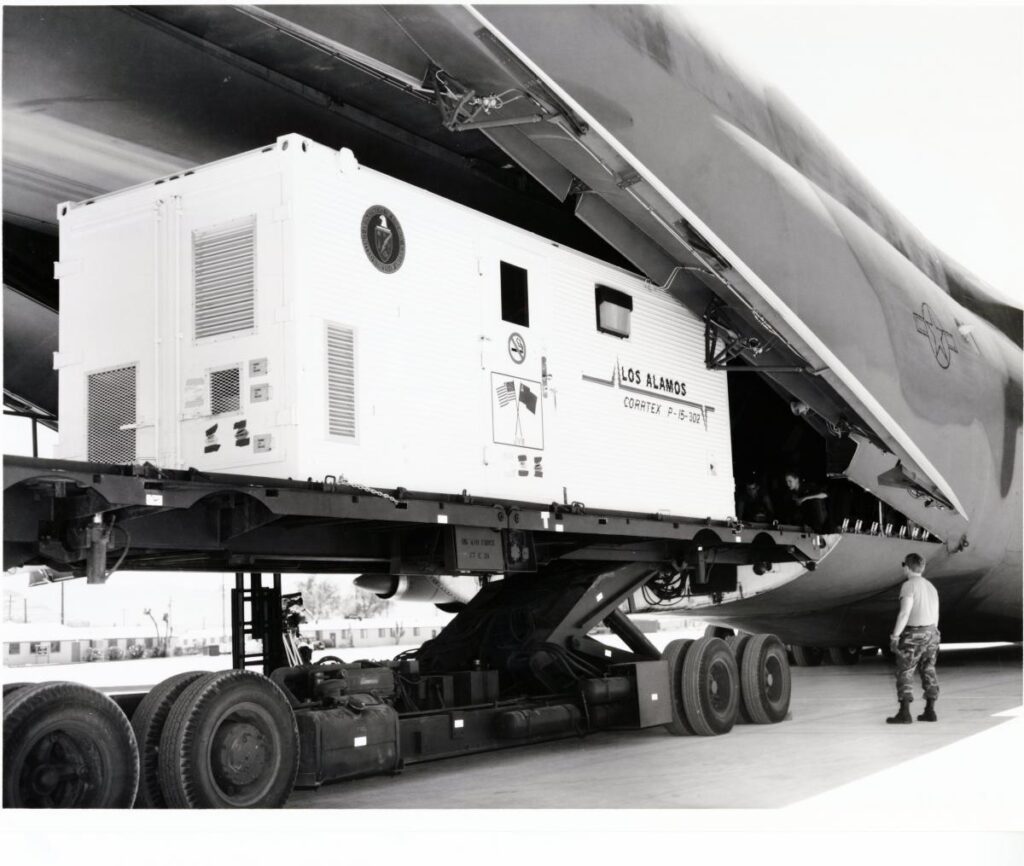
Verification
The 1988 Joint Verification Experiment brought American and Soviet specialists to one another’s nuclear test sites. Technical work on measuring underground explosions created opportunities for direct contact and mutual understanding.
Explore the chapter →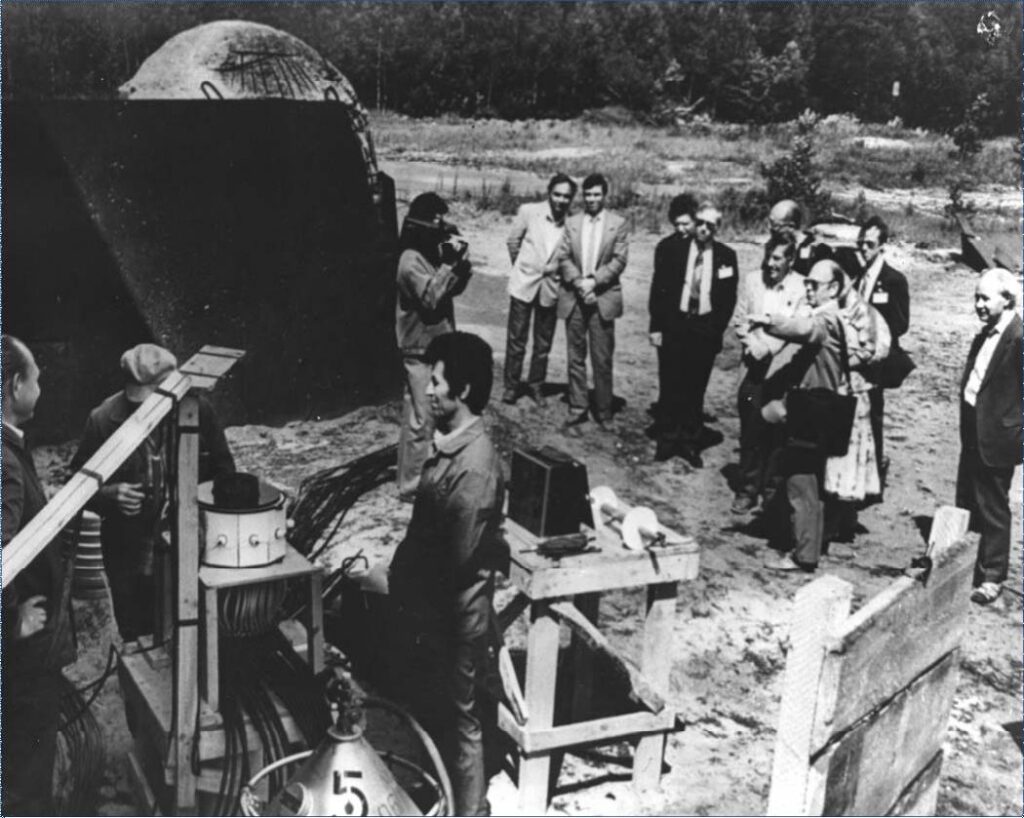
Scientific collaboration
Fundamental science provided an early foundation for cooperation. Shared work in pulsed power, high-energy-density physics, computation, and related fields connected laboratories through experiments, conferences, and continuing research.
Explore the chapter →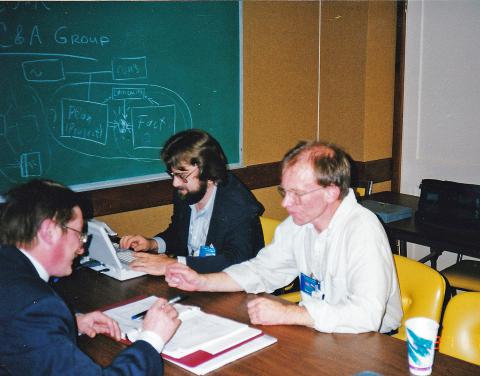
Nuclear materials
The laboratories worked together to improve the protection, control, and accounting of nuclear materials. The accounts describe how practical collaboration developed alongside governmental agreements and expanded to facilities across Russia.
Explore the chapter →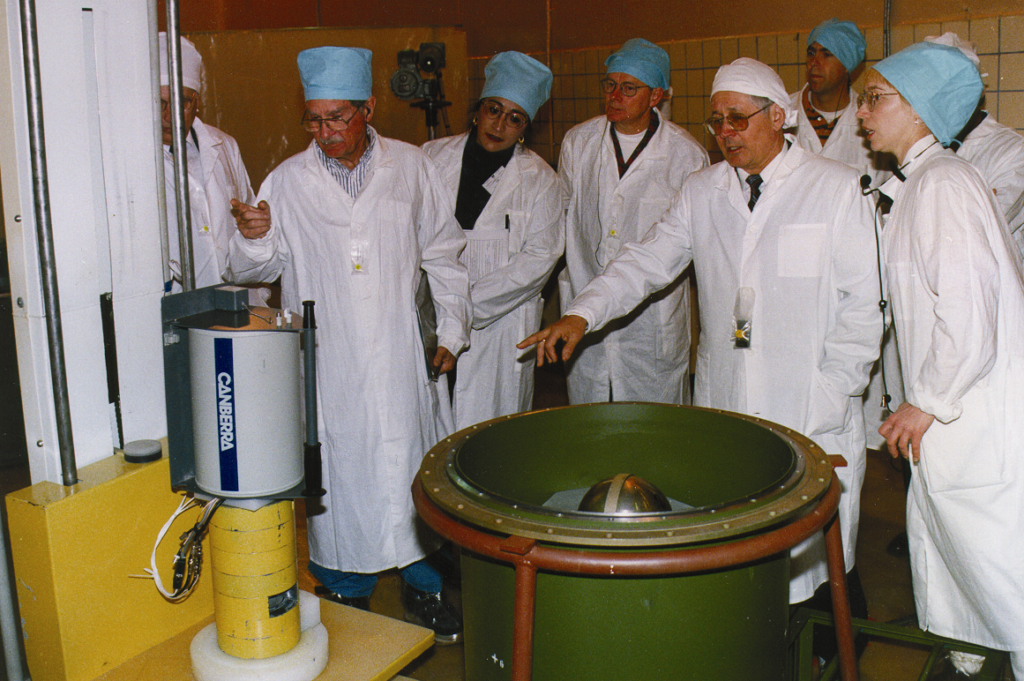
Nuclear weapons
Warhead safety and security brought scientists and engineers together to discuss unclassified technical questions. Exchanges and surety symposia addressed the safety of nuclear weapons, including their handling, transport, and storage.
Explore the chapter →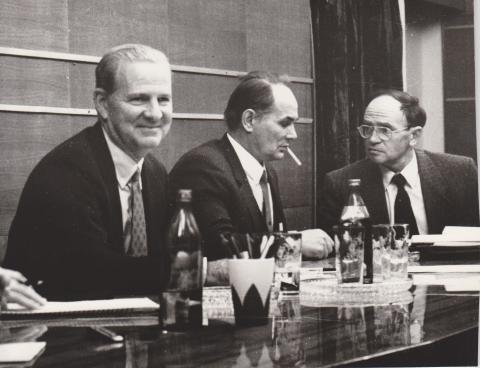
Nuclear experts
The contraction of the Russian nuclear complex raised questions about livelihoods, defense conversion, and the future of skilled specialists. These accounts describe scientific engagement and efforts to create civilian opportunities during that transition.
Explore the chapter →Prefer a chronological introduction?
Begin with the historical timeline, then return to the chapters that interest you.
Follow the timeline →